3 Important Differences Between Composite and Porcelain Dental Veneers
Deciding to get dental veneers is a major step toward a confident smile, which is why dentists want to ensure patients feel comfortable about every aspect of this treatment. That includes the material of the veneers. Some patients prefer the convenience of composite resin, while others enjoy the look and feel of porcelain. Knowing the main differences between composite and porcelain veneers can help you make a more informed choice for your future smile.
What can dental veneers do for your smile?
Dental veneers are ultra-thin shells that cover the front of the teeth. Most patients seek this treatment to achieve a more uniform and balanced appearance. For example, both composite and porcelain options can address cosmetic concerns such as gaps, chips, staining, and unevenness along the smile line.
The difference between composite and porcelain dental veneers
Both composite and porcelain dental veneers use quality materials, but those materials behave differently over time. A dentist evaluates the patient's oral health and expectations before making a recommendation. They strive to provide the veneer type that meets the patient’s immediate needs, such as expected treatment time, and supports their long-term smile goals.
Remember, neither veneer type is inherently better than the other. It all comes down to the patient. Some key differences that help patients decide between the two include:
1. The look
Composite veneers consist of a tooth-colored composite resin that the dentist applies directly to the enamel. The dentist sculpts and polishes the resin to create a smooth, attractive finish. This material offers a major improvement in color and shape for the teeth. It works well for patients who want a noticeable change in texture, with a matte or satin finish.
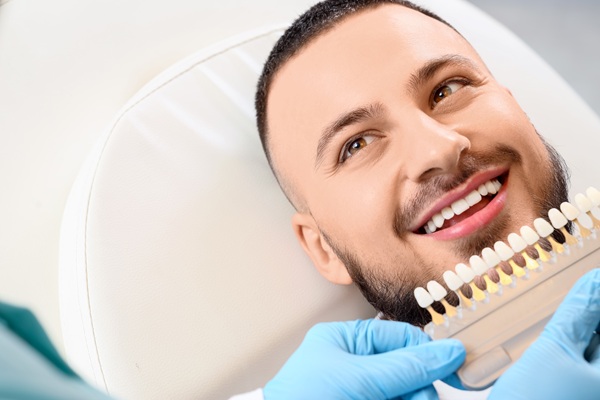
Porcelain veneers provide a more lifelike shine due to the translucent nature of the ceramic material. This ceramic mimics the way natural enamel reflects light, creating a three-dimensional glow. Many patients prefer this look for the front teeth because it appears nearly identical to the rest of the natural tooth structure.
2. Treatment time
Treatment time with dental veneers varies depending on the chosen material. Composite veneers can be done in a single appointment. This efficiency appeals to patients who want immediate results for a special event or a busy schedule.
On the other hand, porcelain veneers take two appointments because they are made in a dental lab. In the first appointment, the dentist prepares the teeth and takes a digital scan or impression. A dental lab then creates the custom shells for a perfect fit. Once the lab returns the pieces, the dentist bonds them securely to the surface of the teeth.
3. How long can the veneers last
Composite and porcelain veneers also have different lifespans. Composite veneers offer reliable strength for daily activities, but the material is simply softer than porcelain. They typically last between five and seven years before signs of wear become visible.
In comparison, porcelain veneers last 10 to 15 years with proper care. However, this does not necessarily mean porcelain is better. Many patients still prefer composite and have no issue with getting a replacement a bit earlier. Again, it is all about what works best for the patient as an individual.
Choosing a veneer material for your smile
Need help choosing between composite and porcelain dental veneers? Our team at Mountain Stream Dental can discuss the differences between the two in greater detail. Contact us today for more information.
Request an appointment here: https://www.mountainstreamdental.com or call Mountain Stream Dental at (541) 359-3664 for an appointment in our Springfield office.
Check out what others are saying about our dental services on Yelp: Dental Veneers in Springfield, OR.
Related Posts
There are several reasons why we desire to change our smile, from teeth discoloration to chips and cracks. A cosmetic dentist can provide answers to your issue. Your smile has a significant impact on your performance, both at work and in your social life. Continue reading to discover what cosmetic dentistry can do for your…
A dental restoration is required to restore tooth structure lost due to tooth decay or injury. Dental restorations fix teeth that have been cracked, chipped, fractured or have cavities. Various restoration techniques are intended to restore various degrees of damage. This article reviews different approaches to repairing damaged teeth.There are two kinds of dental restorations:…
A smile makeover is a dental process that addresses multiple cosmetic concerns. Each smile makeover treatment plan is customized for the patent and their specific treatment needs and goals. Common issues addressed during a smile makeover include teeth stains, damaged teeth (e.g., chips, cracks), enamel erosion, a gummy smile, and teeth loss. The benefits of a…
Clear aligners are growing to be a popular teeth-straightening treatment option. They offer benefits that other teeth straightening treatments do not. However, as with all teeth-straightening options comes the question of how long the process will actually take. Individuals who are considering their options often use the timeline of treatment as a deciding factor, and…