Signs of Failing Dental Fillings and What to Do About Them
Dental fillings protect teeth affected by cavities or minor damage, but they do not last forever. Over time, normal chewing forces, temperature changes, and everyday wear can affect even well-placed restorations. Visiting a general dentist can help identify the early signs of a failing filling, allowing treatment before a small problem develops into a larger one. Learn the signs of a failing dental filling and what patients can do before coming in for treatment.
Dental fillings naturally wear over time
Modern dental fillings are durable, but years of daily use gradually place stress on the restoration. Tiny cracks, worn edges, or small gaps may develop between the filling and the natural tooth. When this occurs, bacteria can enter these spaces and increase the risk of recurrent decay.
Routine dental examinations help detect these changes before symptoms become noticeable. Regular evaluations often allow a dentist to repair or replace a filling before the tooth requires more extensive treatment.
Tooth sensitivity may signal a problem
Increased sensitivity often serves as one of the earliest warning signs of a failing filling. A tooth may become uncomfortable when exposed to hot, cold, sweet, or acidic foods and beverages. Some patients also notice discomfort while biting or chewing.
Although sensitivity does not always indicate a damaged filling, it deserves professional evaluation. A dentist can determine whether the restoration has loosened, cracked, or no longer seals the tooth effectively.
Visible changes should not be ignored
Some failing dental fillings produce changes that patients can see or feel. Paying attention to these signs allows treatment before additional damage occurs.
Common warning signs include:
- A cracked or chipped filling
- Rough or uneven edges
- A loose filling
- Dark staining around the restoration
- Food repeatedly becoming trapped around the same tooth
These changes may indicate that bacteria have entered beneath the restoration or that the filling no longer protects the tooth as intended.
What happens during treatment?
When a patient visits the office with concerns about dental fillings, the dentist performs a thorough examination and may recommend digital X-rays to evaluate the tooth beneath the restoration. If the filling remains structurally sound, minor adjustments or polishing may resolve the problem.
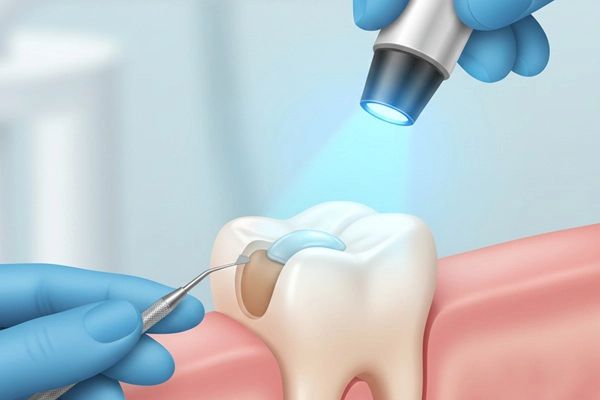
If significant wear, recurrent decay, or damage is present, replacing the filling often provides the best long-term solution. The dentist removes the old restoration, eliminates any decay, and places a new filling that restores the tooth’s shape, strength, and function. Early treatment usually preserves more healthy tooth structure than waiting until symptoms worsen.
Protecting dental fillings for longer
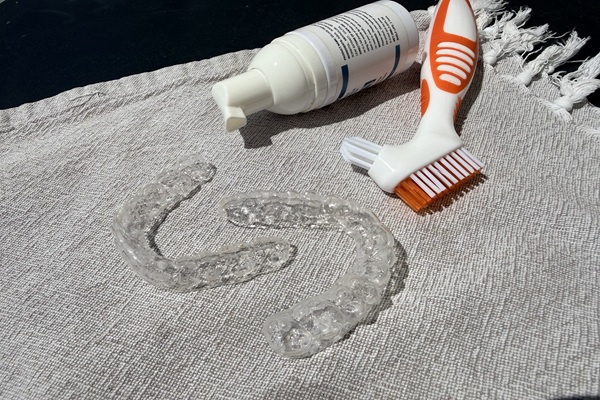
Although dental fillings eventually require replacement, good oral habits help maximize their lifespan. Brushing twice each day, flossing daily, limiting sugary snacks, and attending routine dental visits reduce the risk of new decay around existing restorations. Patients who grind or clench their teeth may also benefit from a custom nightguard to reduce unnecessary pressure on both the fillings and natural teeth.
Call our office to book a consultation
Dental fillings continue protecting teeth for many years when they receive proper care and timely maintenance. Recognizing the early signs of a failing filling allows treatment before more complex restorative procedures become necessary. Call our office for more information or to schedule a dental filling evaluation.
Request an appointment here: https://www.mountainstreamdental.com or call Mountain Stream Dental at (541) 359-3664 for an appointment in our Springfield office.
Check out what others are saying about our services on Yelp: Dental Fillings in Springfield, OR.
Related Posts
When treating a cavity, your dentist needs to remove the decaying portion of the tooth and then “fill” it with a dental filling. The material is beneficial for repairing broken, decayed, and worn down teeth. Tooth decay only gets worse, which makes it extremely important to treat it as soon as possible. Most people do not…
There are several reasons why we desire to change our smile, from teeth discoloration to chips and cracks. A cosmetic dentist can provide answers to your issue. Your smile has a significant impact on your performance, both at work and in your social life. Continue reading to discover what cosmetic dentistry can do for your…
Clear aligners are growing to be a popular teeth-straightening treatment option. They offer benefits that other teeth straightening treatments do not. However, as with all teeth-straightening options comes the question of how long the process will actually take. Individuals who are considering their options often use the timeline of treatment as a deciding factor, and…
A general dentist knows that a healthy smile starts with good habits at home. Many people ask about the best way to floss to keep their teeth. While the task seems simple, using the proper technique ensures the mouth stays free of disease. Most individuals understand that a brush alone cannot reach every surface.Plaque forms…