What You Should Know About the Failure Rate of Root Canals
A root canal is a highly effective way to save a tooth that would otherwise be headed for extraction. While the success rate is remarkably high, understanding why a procedure might fail helps you make informed decisions about your dental health. Most complications stem from hidden bacteria or a seal that fails to withstand the pressure of daily use. Recognizing these factors ensures that a patient remains proactive about the long-term health of their smile.
Understanding root canal success and chances of reinfection
A successful outcome involves the complete removal of bacteria and the creation of a permanent seal within the tooth. When the procedure does not go as planned, it usually means that a small amount of bacteria remains inside, or that new bacteria later find a way in. This is not always a sign of poor work, but rather a reflection of the complex, narrow spaces within a tooth root canal. Keeping the area clean and sealed is the primary defense against future problems.
Why some procedures require extra attention
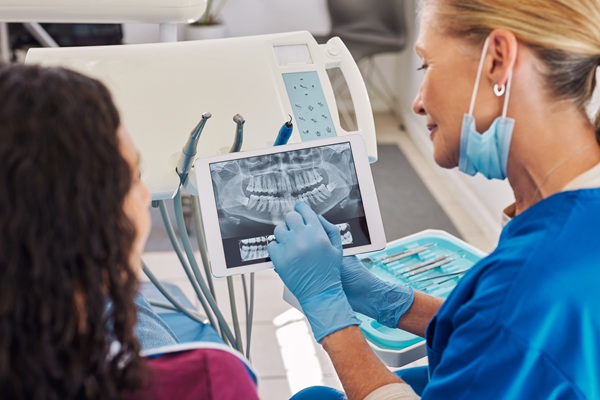
Every tooth has a unique "internal map", and some roots contain extra accessory canals that are difficult to see without advanced imaging. If the dentist does not fully clean these tiny passages and a lingering infection persists, it can eventually cause sensitivity or discomfort. Another major factor is the timing of the final restoration, such as a crown or a filling. If a person delays the placement of a permanent crown after a root canal, the temporary seal can fail, allowing saliva and bacteria to contaminate the internal space.
Signs that a treated tooth needs a checkup
A tooth that undergoes this treatment should eventually feel just like any other healthy tooth in the mouth. However, certain signs indicate that the internal environment is not yet stable. Persistent pain when biting down or a dull ache that does not go away are common indicators of a potential issue. A small, pimple-like bump on the gum tissue or a sudden bad taste also suggests an infection and requires professional attention.
Protecting the root canal results
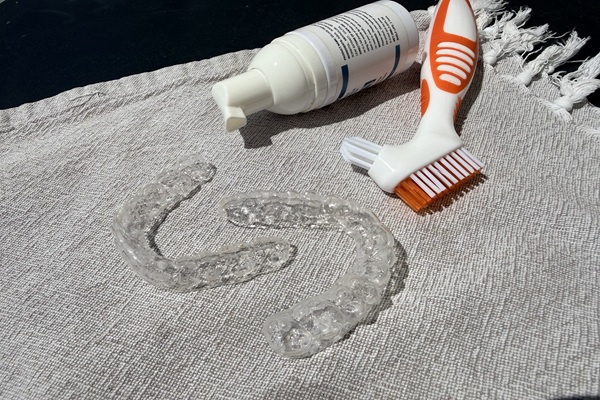
The best way to lower the risk of failure is to complete the entire treatment plan, including the final restorative steps. The dentist will recommend brushing twice a day and flossing around the tooth to help maintain the health of the surrounding gums and prevent new decay at the edges of a crown. If a patient has a habit of grinding their teeth at night, a custom guard provides a cushion that prevents the tooth from fracturing under pressure. Of course, routine dental checkups allow the dentist to monitor the teeth and catch any minor leaks before they become significant problems.
Call us for more information
While no procedure is entirely without risk, a root canal remains one of the most reliable ways to preserve a natural tooth. Success depends on a combination of thorough cleaning, a final restoration, and excellent home care habits. Do you have more questions about this procedure, or if you are an ideal candidate? Do not hesitate to contact our office for more information or to schedule a consultation.
Request an appointment here: https://www.mountainstreamdental.com or call Mountain Stream Dental at (541) 359-3664 for an appointment in our Springfield office.
Check out what others are saying about our dental services on Yelp: Root Canal Treatment in Springfield, OR.
Related Posts
Waiting until a toothache or other oral health problem is unbearable to seek care often means missing out on the least painful, most cost-effective treatment. A preventive dentist can both catch and treat issues early. And in the best cases, they can stop them from developing in the first place. With the help of these…
Using the right toothbrush is part of preventive dentistry. Your dental health is more secure if you have the right tool for cleaning your teeth and gums. An effective toothbrush can help you reach your dental health goals. If you want to know the basics of choosing the right toothbrush as part of preventive dentistry,…
Knowing how to handle common dental emergencies can help protect the health, function, and appearance of the smile. Emergency dentists often see patients who need immediate dental treatment for severe issues. These simple tips provide valuable guidance on what to do in common dental emergencies to improve oral health outcomes.An emergency dentist is a general…
A restorative dentist does more than repair damaged teeth. These general, cosmetic, and family dentists play a key role in keeping the whole mouth healthy for the long term. They achieve this by keeping track of how teeth, gums, the bite, and the jaw joints work together, rather than focusing only on single problems. With…